Winter Olympics 2026: What to Expect in Milan–Cortina
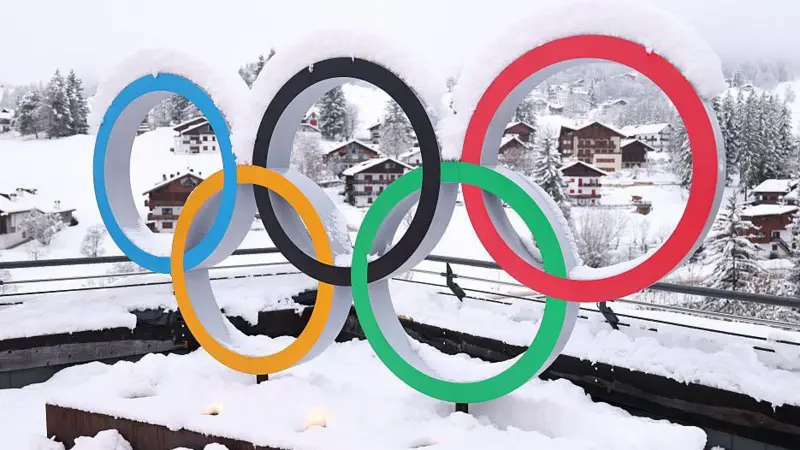
The 2026 Winter Olympic Games in Milan and Cortina d’Ampezzo are shaping up to be among the most compelling in recent memory, blending tradition with fresh competitive dynamics.
Team performances and medal hopes
Several nations arrive with ambitions to challenge existing records. Great Britain, historically modest in Winter Olympic medal hauls, has shown improved results at recent world championships across disciplines such as snowboarding, skeleton, and figure skating. That progress has raised expectations that British athletes might surpass their typical medal numbers in 2026.
Gender equity on the rise
Milan–Cortina is set to be one of the most gender-balanced editions of the Winter Games yet. Over half of the medal events will involve female competitors, reflecting broader progress toward equal representation in winter sport. A handful of disciplines have achieved near-parity in participation, even as some—like Nordic combined—remain without women’s events.
Global stars back on ice and snow
A notable storyline is the return of NHL players to Olympic ice hockey competition, bringing top professionals from North America and Europe into the fold. Their presence injects star power and increases the competitive stakes, particularly for powerhouses such as Finland, Sweden, and the United States.
Looking back, moving forward
The 2026 Winter Games mark a stark evolution from earlier eras. When Cortina last hosted in 1956, the scale of events and global participation was far smaller. The 2026 edition spans multiple venues across the host regions and incorporates modern sustainability practices, such as using upgraded existing facilities and minimizing environmental impact.
Record ambitions and host pressure
Individual athletes aim for historical achievements. German lugers eye milestones that could place them among the most decorated Winter Olympians, while cross-country skiing stars seek to add to their already impressive medal counts. Meanwhile, Italy confronts the familiar dual pressure of performing well on home soil and living up to public expectations, even as injuries affect key competitors.
As the Olympics approach, anticipation continues to build around whether emerging nations will challenge traditional leaders, how gender equity trends will play out on the world stage, and which athletes will rise to define this chapter of winter sport history.